
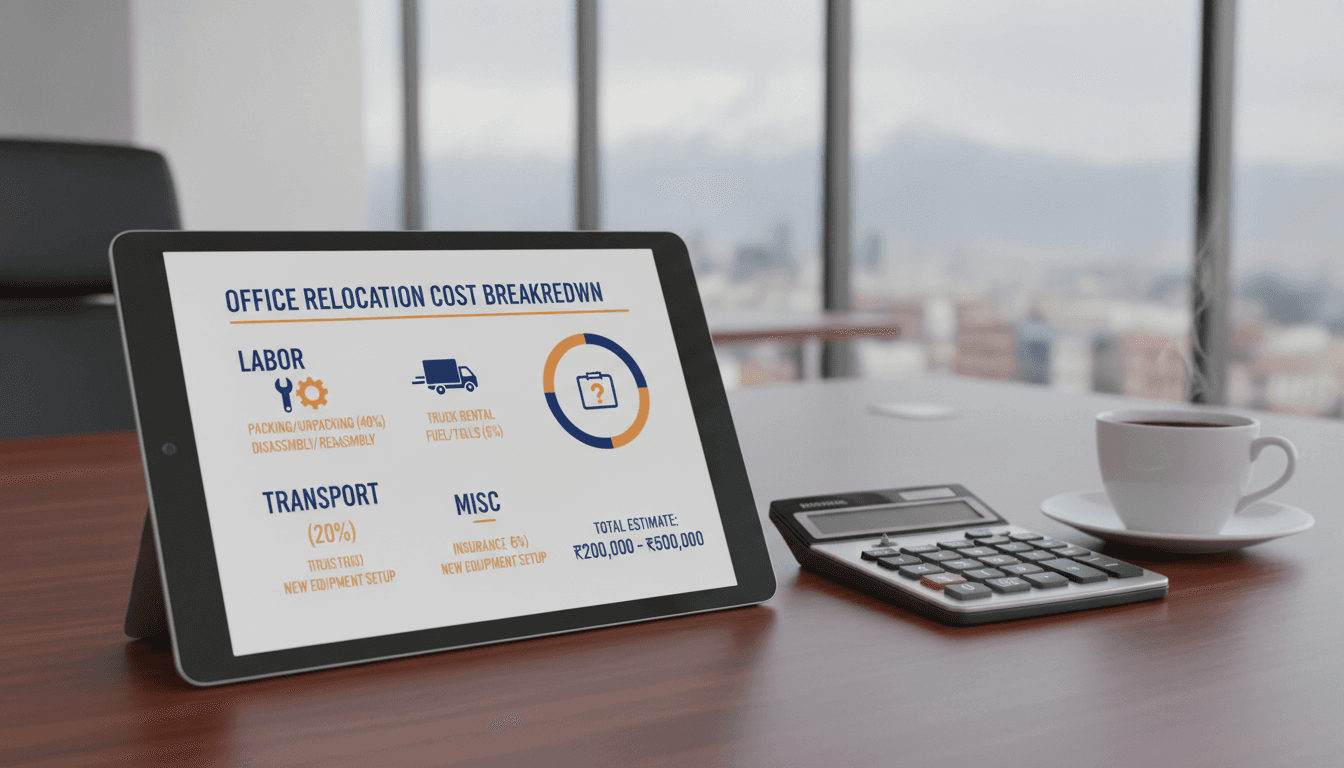
Commercial relocation budgeting requires understanding how moving companies structure their pricing. Unlike residential moves where room count often serves as a rough guide, office moves depend on asset inventory, technology requirements, and operational constraints.
Small offices with ten to twenty workstations typically require one to two days of moving activity. Costs include labor for disassembly and reassembly, packing materials for electronics and files, vehicle transport, and basic insurance. Weekend scheduling may carry a modest premium but saves weekday revenue loss.
Medium offices with twenty to fifty workstations involve phased moving plans. Costs scale with crew size, number of vehicles, and duration. IT equipment handling, server room relocation, and confidential document transport may require specialized services at additional cost.
Large corporate relocations with multiple floors or departments demand project management oversight. Comprehensive inventory systems, sequential department moves, and coordination with building management add to the scope. These projects are typically quoted as fixed-price contracts after detailed site surveys.
Hidden cost factors include elevator reservation fees at commercial buildings, after-hours access charges, temporary storage if lease dates don't align, and post-move cleaning services. Discuss these potential costs during your initial consultation.
Request itemized quotes from at least three providers. Compare not just total price but included services, insurance coverage, crew qualifications, and timeline commitments. The lowest bid rarely delivers the best value for business relocations.